The farms of Lâm Đồng Province — agroforestry coffee

Our Coffee

Grown in a forest.
Not a field.

Every bag is lot-traceable to the farms of Lâm Đồng Province — grown under a forest canopy, honey-processed on bamboo beds, roasted at origin. This is what that means.

The land

A forest, not a farm in the usual sense.

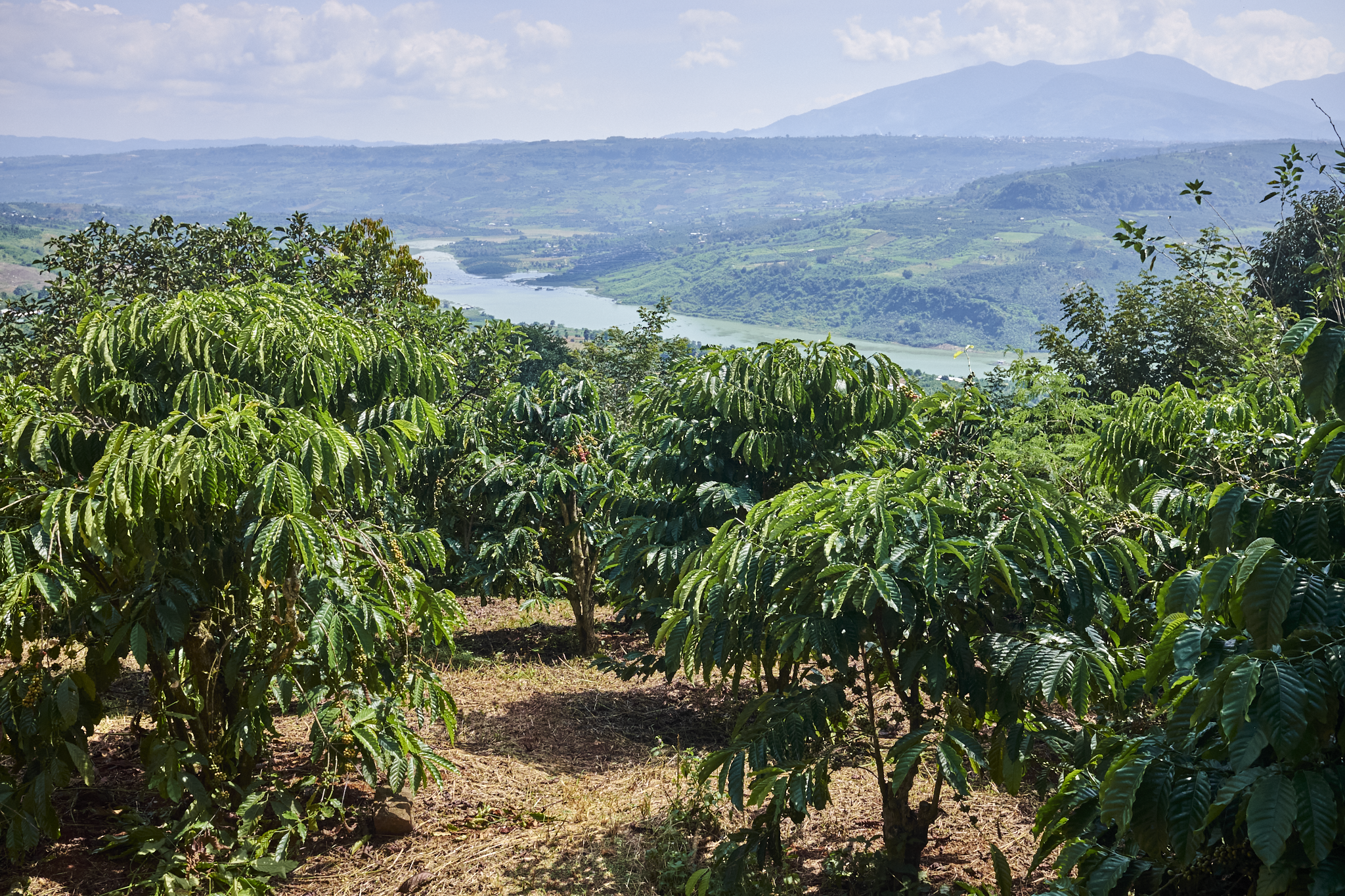
The farms sit at altitude in Lâm Đồng Province — a highland region in southern Vietnam where coffee grows under a shared canopy of 25 or more plant species. The trees provide shade that slows the cherry's development. A slower cherry builds more complexity. It's not a complicated idea, it just takes longer.

This is agroforestry. Coffee as part of an ecosystem rather than a machine running in a void. The soil cycle is closed: husks become compost, cattle provide manure, the land feeds itself back. In 2025, the farms applied 8,300 kg of composted manure. We didn't design that. The process did.

We source from farms that have transitioned to organic fertiliser. We can't call the coffee "organic" — certification is a long road — but the practice is real, specific, and verifiable.

Agroforestry coffee farm, Lâm Đồng Province

The process

How the coffee gets its character before we ever touch it.

Processing isn't packaging. It's where most of the flavour happens — and where most of it gets lost, if you're not careful.

01
Ripe cherry only
Every cherry is hand-picked at peak ripeness. No strip-picking, no underripe filler. The labour cost is real. So is the difference in the cup.
02
Honey processing
The fruit mucilage stays on during drying — an 8–12 hour ferment, then 14–20 days on raised bamboo beds in the highland air. This is where Amber Mist and Dark Nectar get their sweetness.
03
Washed process
The cherry is removed before drying. Cleaner, more transparent — you taste the bean, not the fruit. Highland Bourbon is washed. That's by design; the variety is delicate enough to speak for itself.
04
Lot traceability
Every bag traces back to a named lot in Lâm Đồng. Not a region, not a co-op aggregate — a specific lot, kept separate from harvest through roasting. Think single-vineyard, not "south of France."
05
Roasted at origin
The beans are roasted before they leave Vietnam — not here. This is uncommon. It means the roaster knows the farm, the harvest, the process. It also means you're getting a roaster's judgement on what the bean wants, not what a UK audience is used to.
06
Air-freighted fresh
Roasted and packed in Vietnam, flown directly to the UK. No container-ship timeline. Coffee degasses fastest in the first two weeks post-roast — we want you in that window.

Robusta sẻ

The variety the industry walked away from.

Robusta sẻ is a non-hybrid variety — it's what Robusta was before commercial agriculture bred it for yield. The industry moved on because it's harder to grow and produces less per hectare. A few farms in Lâm Đồng kept it because it tastes better. We source from those farms.

It placed Top 3 at the Vietnam Coffee Producer Competition 2025. That result belongs to Hạt Rừng, the producer — we source from the farms they work with. We're passing the fact on because it's relevant, not because we're claiming credit.

Red Bourbon Arabica

An heirloom variety that nearly didn't make it.

Red Bourbon was brought to Đà Lạt by the French around 1875. When higher-yielding hybrids arrived, most farmers switched. A handful of farms in Lâm Đồng kept growing it — not for ideology, because it tastes like nothing else on the menu.

It's Q-Grader verified. The farm lots are verified separately. When we say Highland Bourbon is hazelnut, fruity, sweet — that's the Q-Grader's description, not a marketing team's. It's also why it's £9.50 a bag. Heirloom varieties on traditional farms don't have the margin that monoculture does.

The four blends

One farm. Four characters.

Every blend is a different arrangement of what Lâm Đồng grows. Same commitment to traceability, different moment.
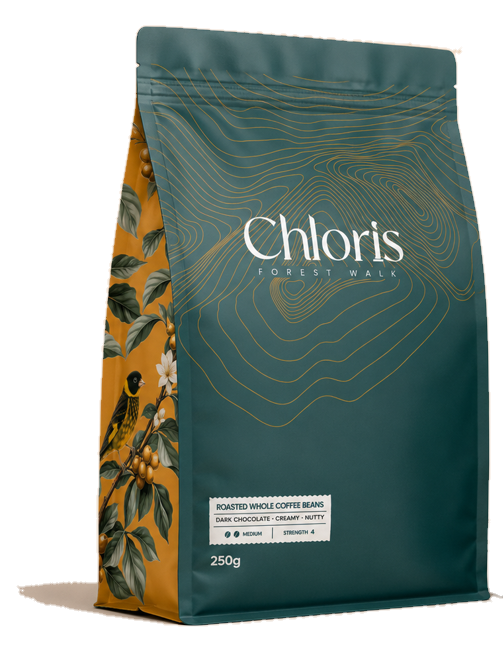
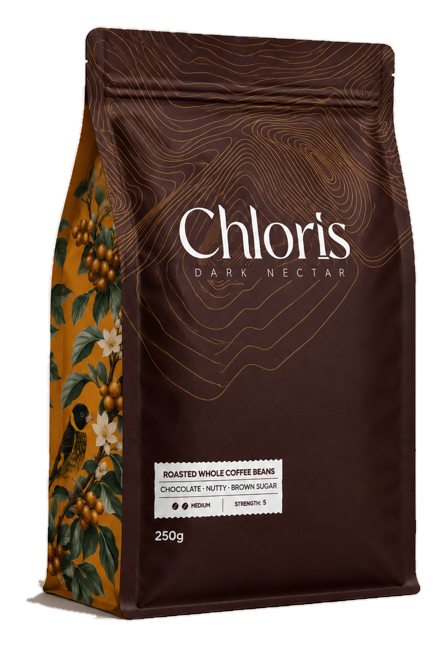
70% Robusta · 30% Arabica Forest Walk Steadiness — the one that sets you up. Forest Walk pack
£8.50 · 250g Shop
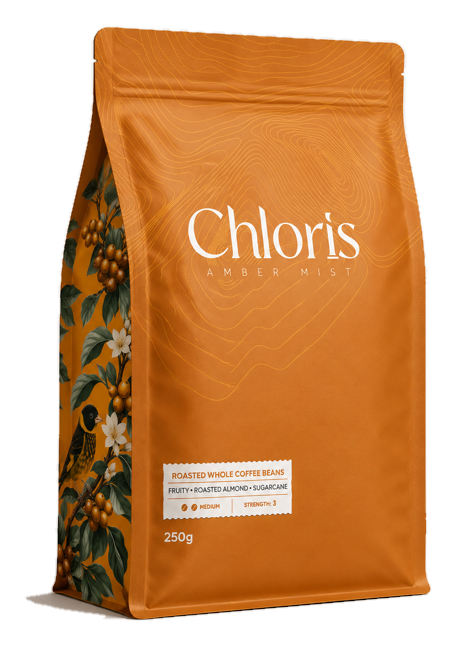
30% Robusta · 70% Arabica Amber Mist The golden lift. Amber Mist pack
£9.50 · 250g Shop
100% Robusta sẻ Dark Nectar The dark horse. Dark Nectar pack
£8.50 · 250g Shop
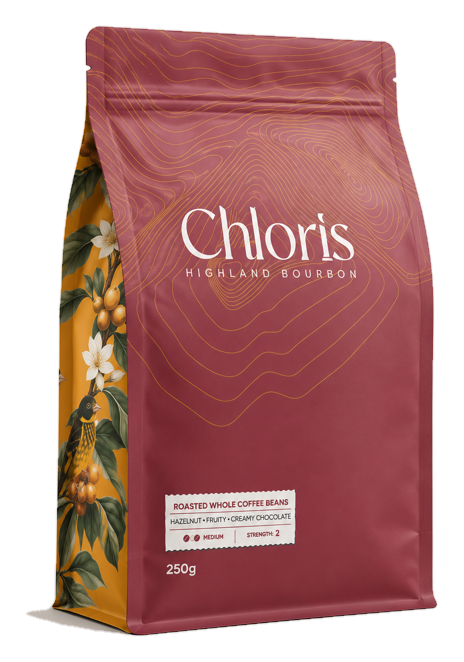
100% Arabica Red Bourbon Highland Bourbon Softness — something that asks nothing back. Highland Bourbon pack
£9.50 · 250g Shop

Questions worth answering

The things people actually ask.

Yes — but it depends enormously on variety and processing. Commercial Vietnamese Robusta, grown for yield on large estates and processed quickly, earns its reputation for harshness. Fine Vietnamese Robusta, specifically non-hybrid varieties like Robusta sẻ grown on agroforestry farms and honey-processed on bamboo beds, is a different category entirely: rich, chocolate-forward, full-bodied, complex. The country produces both. We only source the latter.
Honey processing is a middle path between washed and natural. The coffee cherry's outer skin is removed, but the sticky fruit mucilage — the "honey" — is left on the bean during drying. An 8–12 hour ferment, then 14–20 days on raised bamboo beds in the highland air. The result sits between the clarity of a washed coffee and the fruit-forward sweetness of a natural. Amber Mist and Dark Nectar are both honey-processed.
It means every bag of Chloris coffee traces back to a specific lot — a distinct harvest batch from a specific farm in Lâm Đồng Province — kept separate all the way from picking through to roasting and packing. This is the single-vineyard principle applied to coffee. Most coffee is blended at origin into regional aggregates and the individual farm is lost. Ours isn't.
Because the roaster who knows the farm, the lot and the variety is in Vietnam. Roasting at origin means the person making the roast decisions has visited the farms, knows the harvest, knows the process. It also means the coffee travels roasted and packed, not green — which is unusual for the UK market and exactly why the result is different.
We don't use "organic" as a product claim — certification is a specific process and we won't claim it until it's certified. What is true: four farms have transitioned to organic fertiliser, the soil cycle is closed (husks to compost, cattle to manure), and 8,300 kg of composted manure was applied in 2025. The practice is real. The certification word isn't ours to use yet.